The ability to layer effectively transforms your entire wardrobe’s potential and liberates you from rigid seasonal dressing. Rather than owning completely separate wardrobes for each season or struggling with unpredictable weather, strategic layering lets you extend the life of pieces, transition seamlessly between temperature fluctuations, and create endless outfit combinations from a surprisingly limited base of clothing.
Yet many women struggle with layering, uncertain which pieces work together or how to combine layers without appearing bulky, awkward, or overly complicated. The difference between artful, intentional layering and a confused, chaotic combination of pieces lies in understanding fundamental layering principles that guide your choices. When you grasp how to layer outfits strategically, you unlock remarkable wardrobe flexibility that keeps you comfortable and stylish regardless of weather conditions.
This comprehensive guide explores layering as a sophisticated styling technique rather than a desperate attempt to stay warm. You’ll discover how professional stylists approach layering, learn which pieces combine beautifully, and develop a system for creating intentional, polished outfits that work across varying weather conditions. Whether you’re facing unpredictable spring temperatures, chilly autumn days, or needing flexibility within a single day, these layering strategies ensure you’re always comfortable and put-together.
Before assembling specific outfit combinations, you must understand fundamental layering principles that govern what works together. These principles apply universally, guiding your decisions whether you’re layering in spring or winter, casual or professional settings.
Layering succeeds through strategic weight distribution. The heaviest pieces—coats, jackets, or structured sweaters—belong on the outside. Lighter pieces—t-shirts, delicate tops, or thin cardigans—work beautifully underneath. This weight hierarchy prevents your outfit from appearing top-heavy or unbalanced. When you reverse this principle, draping a heavy sweater under a delicate blazer, your entire outfit reads as chaotic rather than intentional.
Proportion matters significantly in effective layering. If your outer layer is fitted and structured, your inner layers can be slightly more relaxed or voluminous. Conversely, if your outer piece is oversized or loose, your inner pieces should be more fitted to prevent the entire outfit from appearing shapeless. This proportion balance creates visual interest and silhouette definition that intentional layering provides.
Fabric texture and material compatibility influence whether layers harmonize or clash visually. Mixing textures—smooth silk with chunky knit, structured cotton with soft wool—creates visual dimension and sophistication. However, be intentional about texture combinations. Chaotic mixing of too many competing textures creates visual confusion rather than intentional sophistication.
Neckline compatibility determines whether layers stack effectively. When layering tops, consider neckline relationships. A crew neck under a V-neck works beautifully, creating visual interest through neckline variation. However, layering crew neck over crew neck can feel redundant. High necklines (turtlenecks or mock necks) work beautifully under lower necklines, creating elegant layering opportunities.
Color coordination transforms layering from practical to stylish. Monochromatic layering—different shades of the same color—creates sleek, elongated silhouettes that feel both modern and sophisticated. Complementary color combinations add visual interest while maintaining cohesion. Ensure your layered pieces coordinate intentionally rather than appearing accidentally assembled.
Understanding how to layer outfits begins with selecting appropriate base layers—the foundational pieces worn closest to your skin. These base layers serve as both practical temperature control and visual foundation for everything layered on top.
Base layer selection depends on weather conditions and intended activities. In warm weather, a simple t-shirt or lightweight tank top provides adequate base layering. In cooler conditions, a long-sleeved t-shirt or fitted sweater works beautifully. For extremely cold weather, thermal base layers provide warmth without adding bulk, ensuring your outer layers maintain flattering proportions.
Choose base layers in neutral colors that coordinate with your intended outer layers. White, black, navy, gray, or cream base layers work across virtually any color palette. If you’re creating monochromatic layering outfits, match your base layer precisely to your outer pieces for a cohesive, sophisticated appearance.
Base layer fit matters more than most people realize. Oversized or baggy base layers create unflattering bulk underneath structured outer pieces. Conversely, extremely tight base layers can create uncomfortable restriction, particularly when layering multiple pieces. Aim for base layers that fit closely without restricting movement—think fitted but not tight, allowing comfortable mobility throughout your day.
Long sleeves versus short sleeves on base layers dramatically affect how your finished outfit appears. Short-sleeved or sleeveless base layers work beautifully when your outer layers have long sleeves that will be visible. Long-sleeved base layers peek out from underneath, creating intentional visual interest through sleeve layering. Consider your desired effect when selecting base layer sleeve length.
Undergarment considerations affect how your entire layered outfit drapes. Proper bra fit ensures your silhouette remains smooth and proportional under multiple layers. Well-fitting undergarments prevent bunching, bulging, or unflattering lines from showing through. While undergarments remain invisible, their impact on your final silhouette is substantial.
Once you’ve established your base layer, the middle layers you add transform your outfit to accommodate varying temperature conditions throughout your day. This strategic middle layering is where how to layer outfits becomes truly practical and transformative.
Cardigans and lightweight sweaters represent classic middle-layer choices offering remarkable versatility. These pieces layer beautifully over base layers while remaining lightweight enough to remove if temperatures rise. Oversized cardigans create a relaxed, casual aesthetic, while fitted cardigans maintain structure and professionalism. Linen or cotton sweaters provide breathability, making them perfect for transitional seasons when temperatures fluctuate throughout the day.
Structured blazers and jackets serve double duty as both temperature control and style enhancement. A well-fitted blazer instantly elevates casual outfits to professional polish. Layer blazers over your base layer and any additional middle pieces to create outfits appropriate for corporate environments, client meetings, or special occasions. The structured nature of blazers makes them perfect for creating defined silhouettes through intentional layering.
Shrugs and boleros offer unique middle-layering opportunities for particularly warm weather layering. These shoulder-covering pieces provide modest layering while maintaining an airy, open aesthetic. Shrugs work beautifully when you want layering benefits without the full coverage of cardigans or jackets. This middle layer option is perfect for creating intentional, fashion-forward looks.
Vests and gilets add warmth through layering without bulk, making them excellent choices when you need temperature control without complete coverage. Vests layer beautifully with both casual and professional outfits, adding visual interest through distinct silhouette changes. Structured vests create professional appearances, while casual vests add dimension to relaxed styling.
Choose middle layers in colors that complement both your base layers and intended outer layers. Neutral middle layers work across diverse color combinations, making them versatile wardrobe investments. However, don’t shy away from colored or patterned middle layers—these intentionally selected pieces create sophisticated, fashionable layered outfits.
The outer layer is where your carefully layered outfit truly comes together. Outerwear determines whether your layered outfit reads as intentional and polished or chaotic and poorly thought through. Strategic outer layer selection transforms even simple base layers and middle pieces into sophisticated, weather-appropriate combinations.
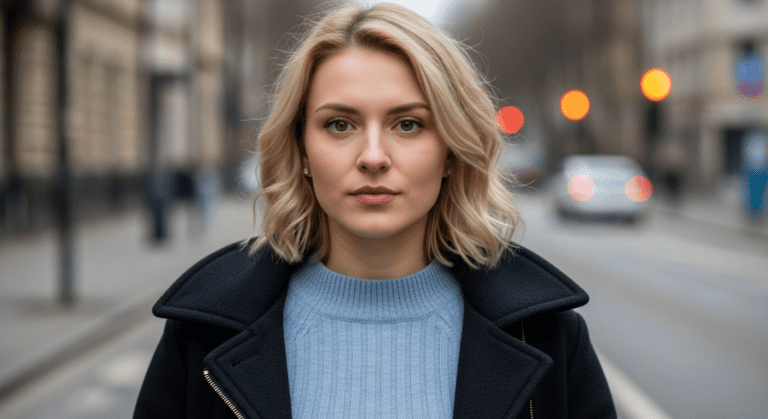
Coats and jackets serve as the ultimate outer layer in cold weather. A well-fitted coat transforms layered pieces underneath into a cohesive, professional appearance. Structured coats in neutral colors (black, navy, camel, gray) work across virtually any outfit combination beneath them. The key is ensuring your coat coordinates with your entire layered ensemble, creating intentional, unified visual impact.
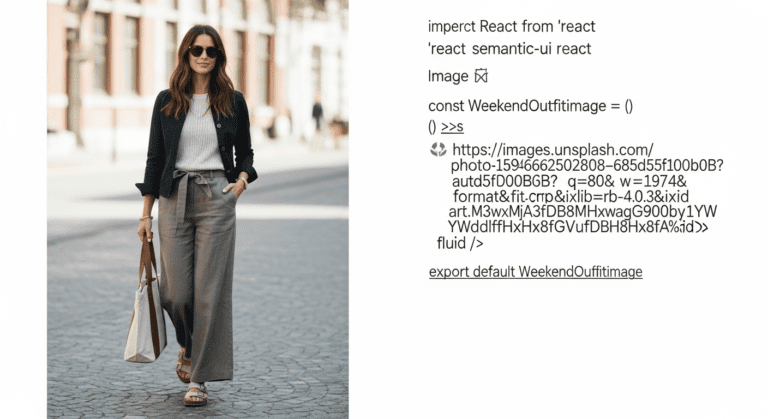
Lightweight layer-over jackets work beautifully in transitional weather when you need outer coverage without heavy winter coats. These versatile pieces layer over your other pieces while remaining light enough for variable temperatures. Denim jackets, linen blazers, and structured overshirts offer endless outer layer options for creating intentional, sophisticated looks.
Windbreakers and rain jackets provide functional outer layering for unpredictable weather. These practical pieces protect your carefully layered outfit from elements while maintaining style. Modern rain jackets and windbreakers have evolved beyond purely functional designs, offering fashionable options that enhance rather than detract from your appearance.
When selecting outer layers, consider how they coordinate with your middle and base layers. Your outer piece should work harmoniously with everything underneath, creating a unified visual impact. Mismatched outer layers undermine even the most carefully selected inner pieces.
Proportion becomes increasingly important with outer layers. If your inner layers are fitted and structured, an oversized outer piece creates intentional, modern styling. Conversely, if your inner layers are voluminous or relaxed, a fitted outer piece provides necessary structure and definition. This proportion relationship creates the polished appearance that distinguishes intentional layering from chaotic outfit assembly.
Once you’ve mastered basic layering principles, advanced techniques elevate your outfits from competent to sophisticated. These professional styling tricks transform how you approach how to layer outfits, creating intentional, fashion-forward combinations.
Visible layering creates deliberate style interest when executed intentionally. Rather than hiding all your layers, strategically show layered pieces to create visual dimension. A visible long-sleeved base layer peeking from underneath a short-sleeved middle piece, or a contrasting collar visible under your outer piece, signals intentional styling rather than accidental misalignment.
Color blocking through layering creates modern, fashionable appearances. Combine distinctly different colors in your layered pieces—perhaps a white base layer, navy middle piece, and camel outer layer—to create intentional color combinations. This sophisticated color coordination transforms simple pieces into polished, thoughtful outfits.
Texture mixing creates sophisticated visual interest when done intentionally. Combine smooth silk with textured knit, structured cotton with soft wool, or matte fabrics with subtle shine. This intentional texture variation elevates your layered outfit from basic to genuinely fashionable.
Accessory layering complements clothing layering beautifully. Layer delicate bracelets, stack rings on different fingers, or layer necklaces of varying lengths to create cohesive, intentional accessory coordination that matches your clothing layering sophistication. When your entire outfit—clothing and accessories—demonstrates intentional layering, you create polished, put-together appearances.
Sleeve rolling and cuffing techniques add style while managing bulk. Rolling outer jacket sleeves or cuffing oversized pieces creates intentional visual interest while preventing overwhelming bulk. These simple adjustments transform basic layered outfits into fashion-forward combinations.
Asymmetrical layering creates modern, artistic appearances for fashion-forward women. Rather than buttoning all layers neatly, leaving one layer partially unbuttoned or offset creates intentional, contemporary styling. This advanced technique requires confidence but creates remarkably distinctive, fashionable layered outfits.
Mastering how to layer outfits requires investing in quality layering pieces that work together across your entire wardrobe. Building a versatile layering-focused collection ensures you always have appropriate options for variable weather and temperature changes.
Explore MojitoFashion’s extensive women’s coat and jacket collection, featuring every outer layer option from structured coats to lightweight blazers to casual denim jackets. Each piece is selected for quality construction and versatile styling, ensuring your outer layers transform layered combinations into polished, intentional outfits.
Create the perfect base for your layered outfits with our quality women’s tops and essential t-shirts collection. These foundational base layer pieces coordinate beautifully with every outer layer and middle piece in your collection. Discover comfortable, versatile sweaters and cardigans that add the perfect middle layer warmth while maintaining style and sophistication.
Complete your layering mastery with our women’s accessories collection, featuring scarves, belts, and other pieces that complement your layered outfits perfectly. When you have quality pieces at every layer, creating intentional, sophisticated combinations becomes effortless.
Shop MojitoFashion today and build the layering wardrobe that transforms how you dress. With the right pieces and layering strategies, you’ll navigate any weather confidently, staying comfortable and fashionable regardless of temperature fluctuations. Discover the freedom and style that comes from mastering how to layer outfits for any weather condition.

Leave a comment
You must be logged in to post a comment.