
When to Choose a Dress Instead of Jeans (and What Kind)
If you’re trying to decide whether to wear a dress vs jeans, knowing the right occasion, style, and comfort factors can help you make an impactful choice. Dresses can elevate your look for certain events, while jeans offer versatility for everyday wear. In this guide, we’ll explore **when to opt for a dress instead of jeans**, what types of dresses suit different occasions, and how to style them for maximum effect.
Understanding the Search Intent for “dress vs jeans”
The primary intent behind the search “dress vs jeans” is **informational**. Users want to know **which clothing choice is appropriate** for specific situations, looking for guidance on style, comfort, and occasion. They may also seek tips on how to transition between casual and formal environments or want to understand the differences in styling a dress versus jeans.
Key Factors to Consider When Choosing Between a Dress and Jeans
Deciding whether to wear a dress vs jeans depends on several factors:
- Occasion: Formal events, parties, or professional settings often call for dresses. Casual outings or errands may be better suited to jeans.
- Comfort: Jeans typically offer more mobility and comfort for long wear, but dresses can vary in comfort based on fabric and fit.
- Weather: Light, breezy dresses are perfect for warm weather, while jeans provide coverage and warmth in cooler conditions.
- Style statement: Dresses often convey elegance or femininity, whereas jeans are casual and versatile.
When to Choose a Dress Instead of Jeans
1. Formal Events and Parties
For weddings, cocktail parties, or formal dinners, a dress creates a polished, sophisticated look. Consider styles like wrap dresses, midi dresses, or evening gowns depending on the event’s dress code.
2. Business or Professional Settings
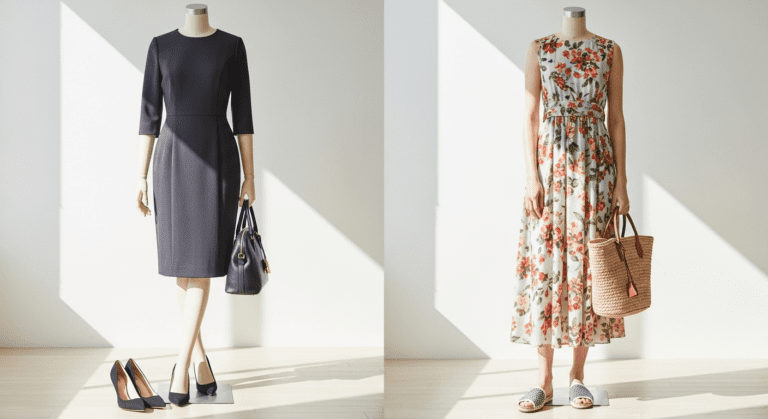
Office environments or business meetings often require more refined attire. A professional dress paired with appropriate accessories can elevate your appearance better than jeans. Look for blazers over dresses or sheath dresses that convey authority and elegance.
3. Date Nights and Romantic Occasions
For romantic dinners or date nights, dresses help create a charming and feminine vibe. Choose styles like lace dresses, A-line, or slip dresses depending on your personal style and comfort preferences.
4. Events Requiring a Fashion-Forward Look
Fashion shows, gallery openings, or any event where a stylish appearance is desired are ideal for dresses. They allow experimenting with textures, patterns, and accessories to stand out.
What Types of Dresses Are Suitable for Different Occasions?
Knowing the right dress style for specific occasions can enhance your confidence and look. Here are popular dress types tailored for particular needs:
- Casual Dresses: Sundresses, T-shirt dresses, shirts dresses — great for daytime outings or casual gatherings. Check out casual dresses collection.
- Formal Dresses: Evening gowns, cocktail dresses, or blazer dresses ideal for upscale events. Adding accessories like statement jewelry elevates their appeal.
- Business Dresses: Sheath, shift, or shirt dresses suitable for office wear, often paired with blazers and loafers.
- Summer & Beach Dresses: Lightweight fabrics, flowy designs perfect for warm weather or vacation days.
How to Style Dresses for Different Settings
Casual Looks
Pair a dress with sneakers, a denim jacket, or flats for a relaxed yet stylish vibe. Add simple jewelry for a touch of elegance.
Formal Looks
Accessorize with heels, a clutch, and elegant jewelry. For colder environments, layer with a classy coat or shawl. Focus on fabrics like silk, velvet, or lace for sophistication.
Work-Appropriate Outfits
Combine a knee-length dress with a blazer or cardigan, and opt for closed-toe shoes or loafers. Keep accessories minimal and professional.
Comparison Table: Dress vs Jeans
| Aspect | Dress | Jeans |
|---|---|---|
| Formality | High; suitable for formal and semi-formal events | Casual; suitable for everyday wear |
| Comfort | Varies; depends on fabric and fit | Generally comfortable for extended wear |
| Versatility | Less versatile; depends on style and accessories | Highly versatile; matches various tops and shoes |
| Style Statement | Feminine and elegant | Casual and trendy |
| Best for | Formal events, dates, special occasions | Daily errands, casual outings, informal events |
FAQs About Choosing a Dress Over Jeans
1. Can I wear a dress to work?
Yes, especially when opting for business dresses. Pair with blazers or cardigans for a professional look.
2. Are dresses more comfortable than jeans?
Comfort depends on fabric and fit. Dresses made from breathable fabrics can be more comfortable for some, while jeans provide excellent mobility for others.
3. What accessories work best with dresses?
Jewelry, handbags, scarves, and suitable footwear like heels or flats enhance a dress. Outerwear like jackets or shrugs can also add style while keeping you warm.
4. How do I transition a dress look from day to night?
Add bold jewelry, switch to heels, and layer with a statement coat or blazer. Changing accessories can instantly elevate your appearance.
5. What fabrics should I look for in a casual dress?
Cotton, linen, and jersey are lightweight, breathable options ideal for casual and summer looks.
Conclusion & Takeaways
Choosing between a dress and jeans depends on the occasion, comfort needs, and personal style. Dresses are perfect for formal, professional, or special occasions, while jeans excel in casual settings. By understanding the types of dresses and how to style them appropriately, you can confidently make choices that enhance your appearance and meet your needs.
Remember, versatile styling and choosing the right dress for each event can elevate your wardrobe. For trendy casual dresses, visit our collection of women’s dresses. For casual tops to pair with jeans or dresses, explore women’s tops.

Leave a comment
You must be logged in to post a comment.